Different behavior does not make someone less human.
We are planning a six-month pilot in Lahore that will work closely with 30 families of people with intellectual, developmental and other significant disabilities, and with the neighbors, teachers and health workers around them.
Pagal is an Urdu word meaning “mad” or “crazy.” It is still used for people with intellectual and developmental disabilities.
We want communities to see a person who may need understanding, accommodation and support.
Bethany is my daughter. She’s 27. When she was a baby, her pediatrician noticed she couldn’t sit up and sent us to Children’s Hospital. After a lot of testing, we found out she has a brain condition that left her with severe disabilities. Today she functions at about the level of a two-year-old and needs help with almost everything.
She’s also the happiest person in our house. She laughs at everyone’s jokes, talks all day long, sleeps every night with her two dolls, and lights up whenever she sees a baby. When I’m away for work, she cries and makes sure everyone knows she misses her dad.
Bethany couldn’t walk. We got her a wheelchair, but she refused it and kept insisting on trying to walk on her own. Now she uses a walker, with someone holding her every step. Over the years she’s fallen many times. She’s broken her arm, broken teeth, and needed stitches on her head more than once.
We’ve had doctors, therapists, equipment and a caretaker to help us, and some days are still really hard. In the Lahore communities we’ll be working with, many families like ours have little or none of that.
I was born and raised in Pakistan. I’ve seen grown sons and daughters who can’t walk spend most of their life inside one room, and parents who carry them everywhere until they’re too old to do it. I’ve seen people with disabilities hidden away, and sometimes tied down, because the people caring for them were scared and didn’t know what else to do.
In neighborhoods I know, I’ve heard people say a child who is autistic or disabled is possessed, or that the family is cursed. I’ve seen families told to take their child to a faith healer instead of a doctor or therapist, or to keep the child out of sight. Often nobody has explained to them what’s actually going on. That’s a big part of what we want to change.
An autistic child having a meltdown doesn’t need to be mocked or punished. A person with an intellectual disability shouldn’t be hidden because the neighbors don’t understand. Families need real help, and the people around them need to see that different behavior doesn’t make someone less deserving of dignity.
I spent 15 years running restaurants, the last stretch as VP of Operations over six Denny’s locations. In 2019 our operation was named Denny’s Franchise of the Year. I know how to run something well, keep costs down and take care of the people doing the work.
Now I’m stepping away from that career and moving to Lahore to run this pilot full-time, on a small salary. These families deserve the same care and the same standards I’d bring to any business.
Our first fundraiser: wheelchairs and pilot setup
This $10,000 GoFundMe covers two things: $6,000 for about 20 wheelchairs, bought in Lahore so they can be repaired locally, and $4,000 to get our team to Lahore (one-way airfare for two and a first rent deposit). We’ll post receipts and photos as each wheelchair goes out.
How it fits the $179,000 pilot: both amounts are already part of the pilot budget (equipment and one-time relocation). Every dollar raised here lowers what we still need from foundations and other donors.
If the full pilot isn’t funded: we will still buy and deliver the wheelchairs, with our physiotherapist fitting each one. The relocation money is only spent once the pilot is ready to start. If it doesn’t start, that money goes to more wheelchairs.
Until our U.S. giving partner is in place, GoFundMe proceeds go to Johnson Lewis, who tracks every dollar received and spent and posts receipts for each expense. Gifts here are not tax-deductible yet. Once the giving partner is set up, we’ll open a tax-deductible campaign and link it here.
Helping families since 2019
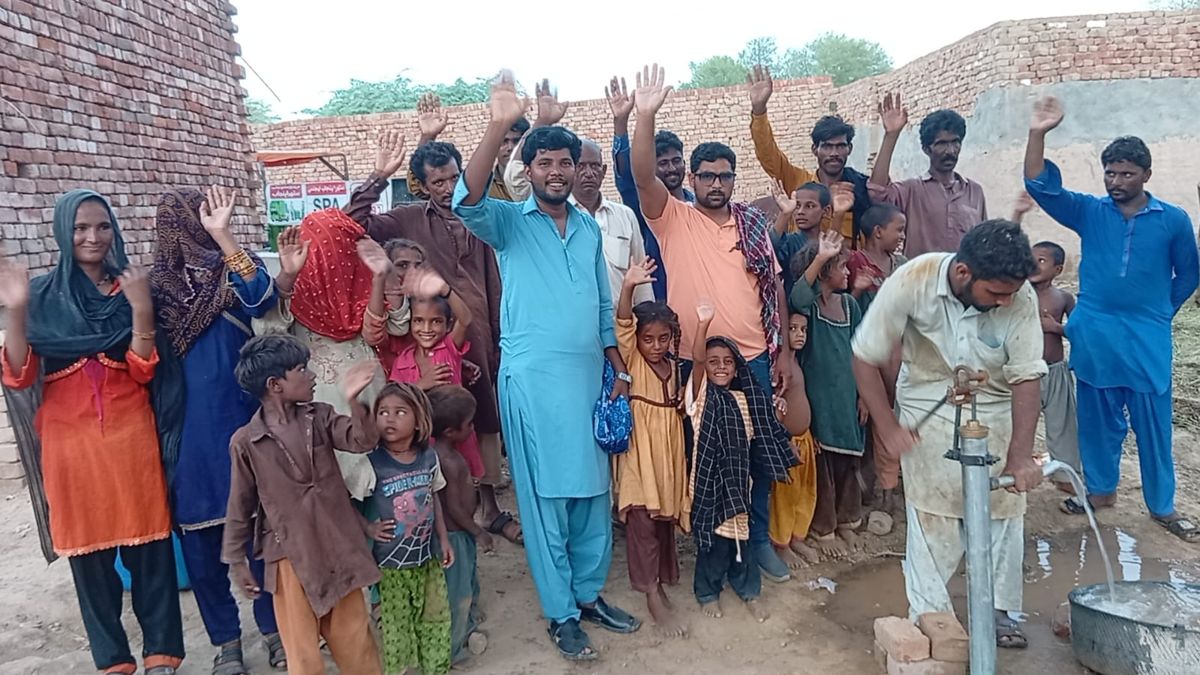
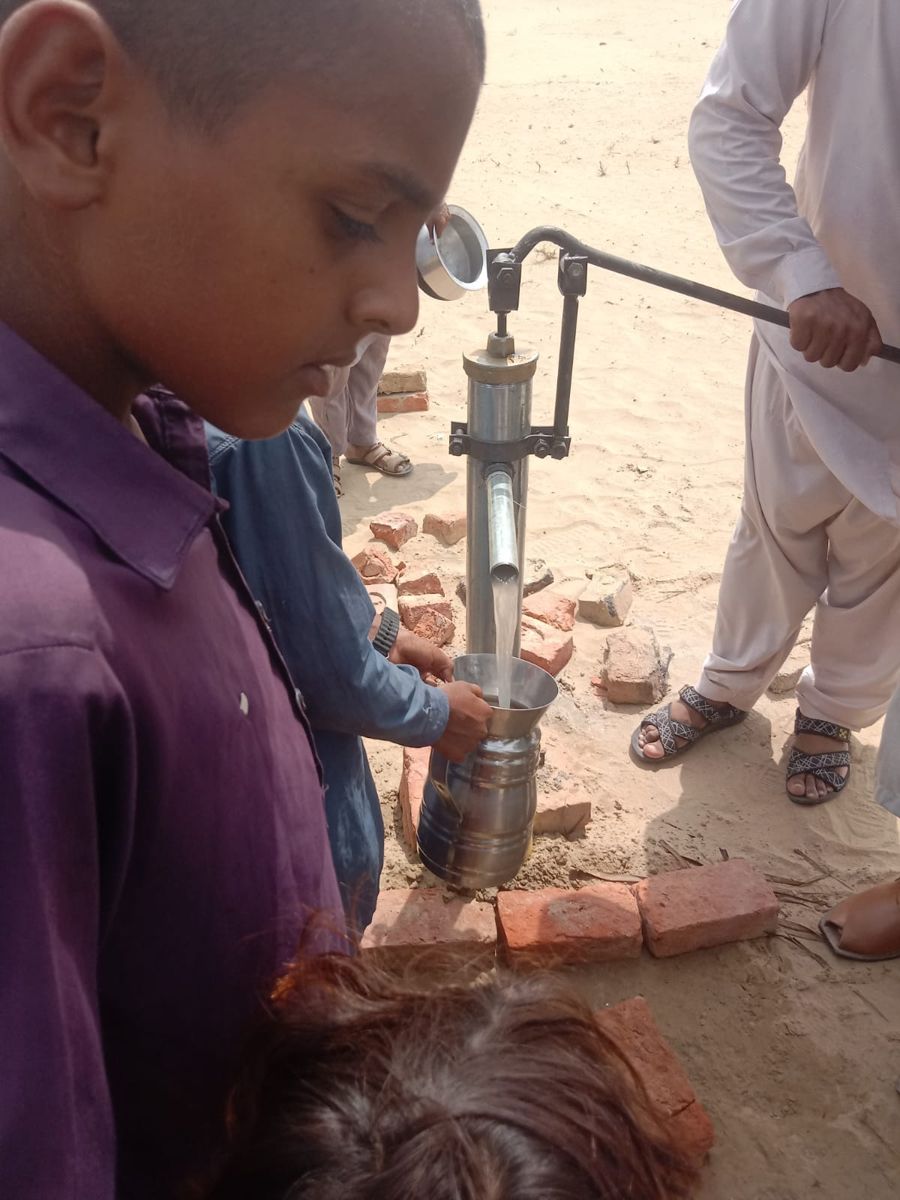
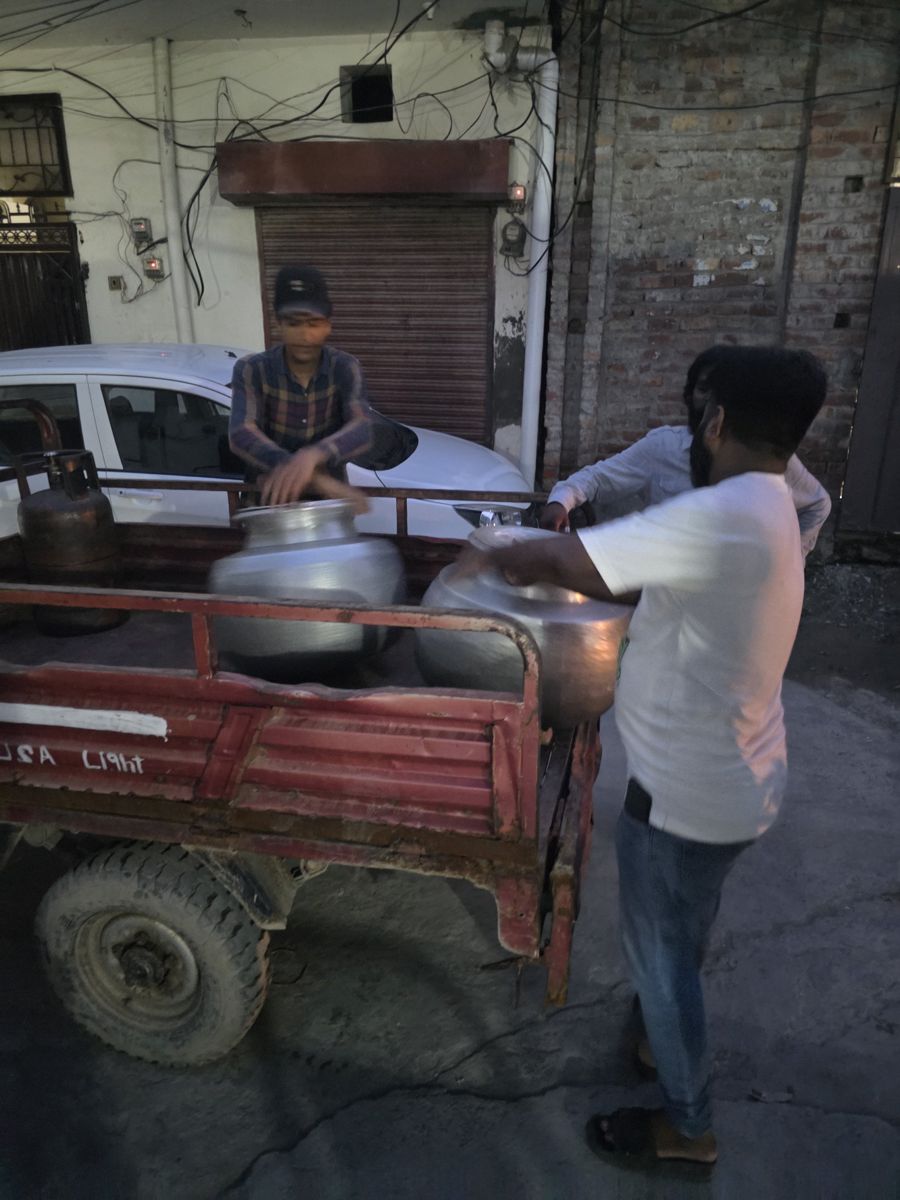
Wings of Bethany is new, but the work is not. Since 2019 we have helped fund and install hand pumps in villages without reliable water, helped build a conference and community center, and supported a Friday dinner where about 20 families come to eat together each week.
Help for families, and for the community around them
Each family gets a needs assessment, a written support plan and regular home visits. At the same time we work with relatives, neighbors, schools and clinics, because a person with a disability shouldn’t have to do all the adjusting.
Family support and education
Practical guidance for parents and caregivers on communication, safety, daily care and calm, nonviolent responses to distress.
Community awareness
Small sessions for relatives, neighbors, students, teachers, health workers, employers and local leaders.
Therapy and healthcare
Speech, occupational and physical therapy, specialist visits and approved treatment, paid directly to providers.
Equipment and accessibility
Properly fitted wheelchairs, walkers and communication aids, plus ramps, rails and simple home changes.
School inclusion
Work with teachers on understanding, participation and reasonable accommodation for students with disabilities.
Independence
Where it fits, daily-living skills, job readiness or small income-producing opportunities.
How families are chosen
Families are chosen by need, using the same written criteria for everyone. Priority goes to people who are isolated, restrained or kept at home, and to families with no other help. Referrals come from government hospitals and clinics, schools, mosques, churches, community leaders and families themselves. Two staff members score each referral separately, and the NGO partner reviews the final list. Advisors do not choose families, and relatives of the team are not eligible.
Timeline
- Before the pilot (about 8 weeks)Partner agreement, local costs confirmed, staff hired and trained. The six months of services start after this.
- Month 1Families selected, assessed and given support plans
- Months 2–4Therapy, equipment, home changes and community sessions
- Month 5Follow-up visits and filling remaining gaps
- Month 6Final measurement and report to donors
$179,000 for six months
Wings of Bethany keeps no fee and has no office of its own. Office, accounting, banking and audit costs are covered by the two partner fees. Fundraising, budget management and donor reporting are part of the founder’s paid role. Both partners are still being finalized, so their fees are provisional estimates.
| Budget line | Amount |
|---|---|
| Program | |
| Direct assistance to 30 families (about $2,000 each, set by each family’s support plan). A typical plan: medicine and medical supplies $600; diapers, hygiene and nutrition $500; transport to therapy, clinics and school $350; school or day-care fees and caregiver respite $350; disability card registration and small steps toward independence $200. Paid to providers or suppliers rather than as cash where practical | $60,000 |
| Therapy, medical and rehabilitation services | $20,000 |
| Assistive equipment and accessibility changes | $15,000 |
| Founder and Grants Officer, $2,000 a month, full-time in Lahore | $12,000 |
| Field Operations and Evaluation Officer, $2,000 a month | $12,000 |
| Two field workers and a part-time physiotherapist | $11,500 |
| Community education and awareness | $6,000 |
| Field transportation (rented, no vehicle purchase) | $6,000 |
| Staff training and safeguarding | $3,000 |
| Monitoring, evaluation and outside review | $2,500 |
| One-time relocation to Lahore: one-way airfare for two and a first rent deposit (capped) | $4,000 |
| Reserve | |
| Family emergency reserve (unused funds go to families) | $4,520 |
| Partner fees (provisional estimates), paid to partners, not to Wings of Bethany | |
| Pakistani NGO partner (estimated 8%): office, accounting, banking, audit, compliance | $13,610 |
| U.S. charitable giving partner (estimated): tax-deductible giving and transfer to Pakistan | $8,870 |
| Total | $179,000 |
Planning budget. Final amounts will be confirmed with local quotations and the NGO partner agreement before restricted funds are committed.
Money released in three stages
Each stage starts only after the one before it is complete and reported. Providers and suppliers are paid directly whenever possible, and every expense has a receipt on file.
Released when the NGO agreement is signed and the giving channel is in place. Covers training, setup, assessments and first family support.
Released when all families have support plans and the first monthly financial report is accepted. Covers the main period of services.
Released when the month-3 progress and spending report is accepted. Covers follow-up, evaluation and the final report.
Protecting the people we serve
Staff are screened and trained before any family contact. Names, photos and stories are never used without permission, and no family has to appear in fundraising to receive help.
Open to everyone
Help is open to families of every faith, background and income level. Families are chosen by need, not by religion, caste, class, politics or personal connection.
What we are aiming for by month 6
These are targets, not promises. We will report against every one, including any we miss. An outside reviewer will visit a sample of families to check that what we report matches what families say.
After month 6
Families keep their equipment and home changes, their support plan and their list of local services. We help them register for government disability benefits and the special disability identity card where they qualify, and set up caregiver groups that can keep meeting on their own. Donors receive the full pilot report within 30 days.
People who know the work and the place
Johnson Lewis and Ashar Dean will both move to Lahore and work on the pilot full-time within 30 days of the first stage of funding being released.
Johnson Lewis
Will work full-time in Lahore once the first stage of funding is released. Leads fundraising and grant applications, manages the budget and partners, and reports to donors. Former VP of Operations over six Denny’s restaurants (Denny’s Franchise of the Year, 2019), and 27 years of caring for his daughter Bethany.
Ashar Dean
More than 22 years running relief and development programs in Pakistan, including 11 years as Pakistan Country Representative for Tearfund Deutschland (formerly World Relief Deutschland). Moving back to Pakistan to run the pilot day to day: managing the field team and tracking results for every family.
Zara Arnold
Physiotherapist with a Transitional Doctor of Physical Therapy (T.DPT) degree and more than 8 years of clinical experience at Chughtai Lab, Lahore, including neurological rehabilitation and home-based care. Guides family assessments and support plans, trains field workers, and helps decide what therapy and equipment each person needs.
Imran Farooq
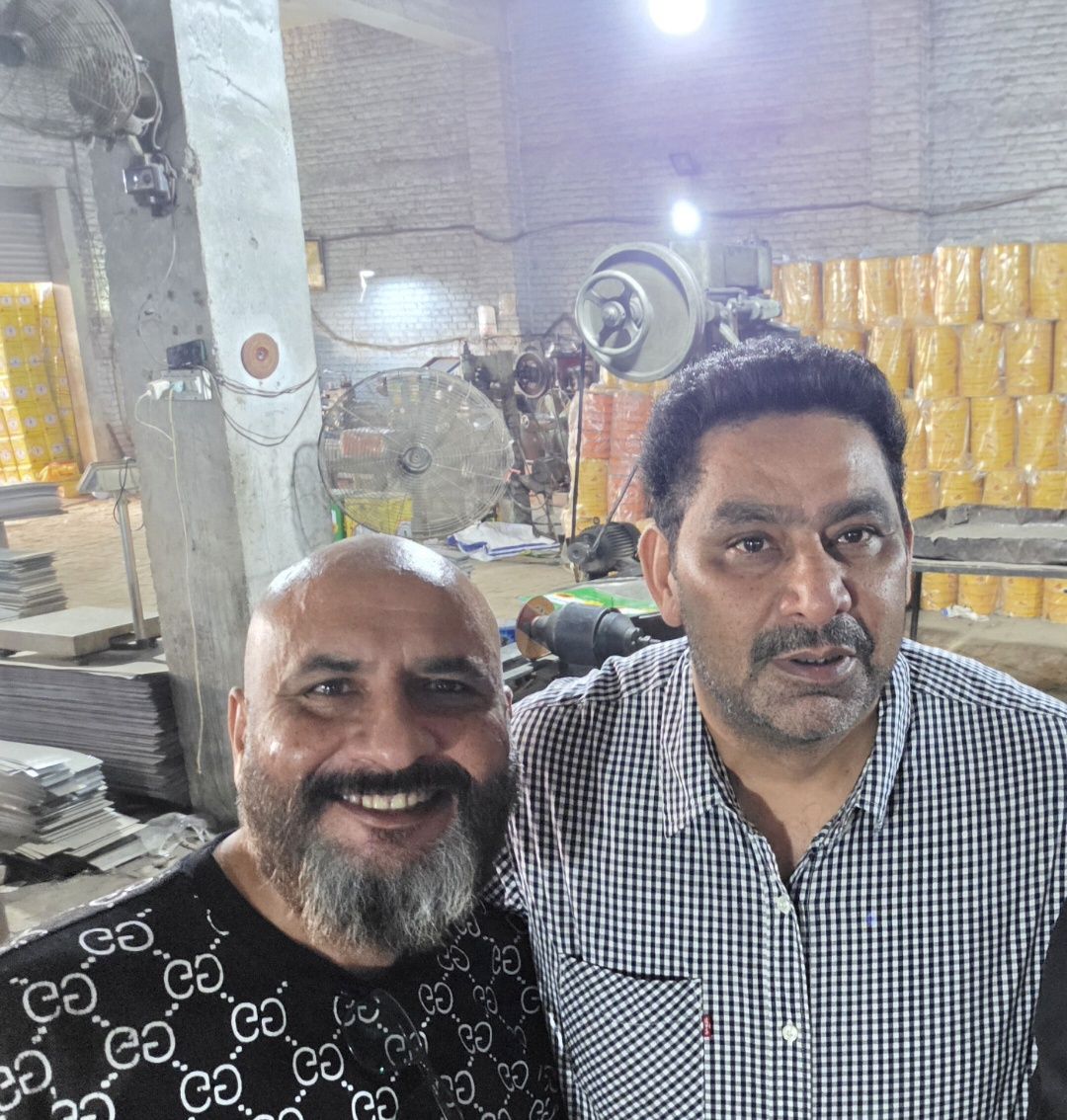
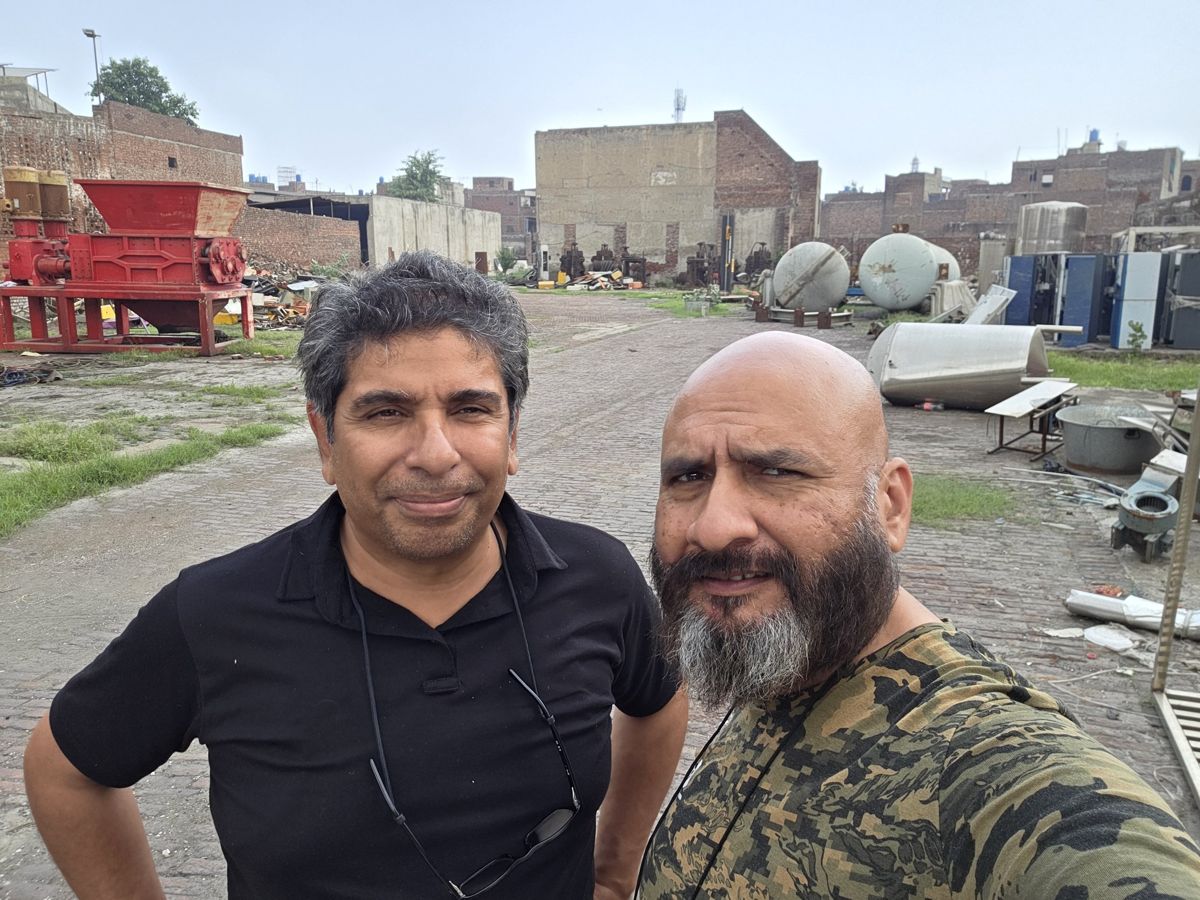
Owns a factory that makes metal cans and is a respected local leader in the Muslim community. Brings business experience and strong ties to the families and neighborhoods the pilot will serve.
Pastor Irfan Michael
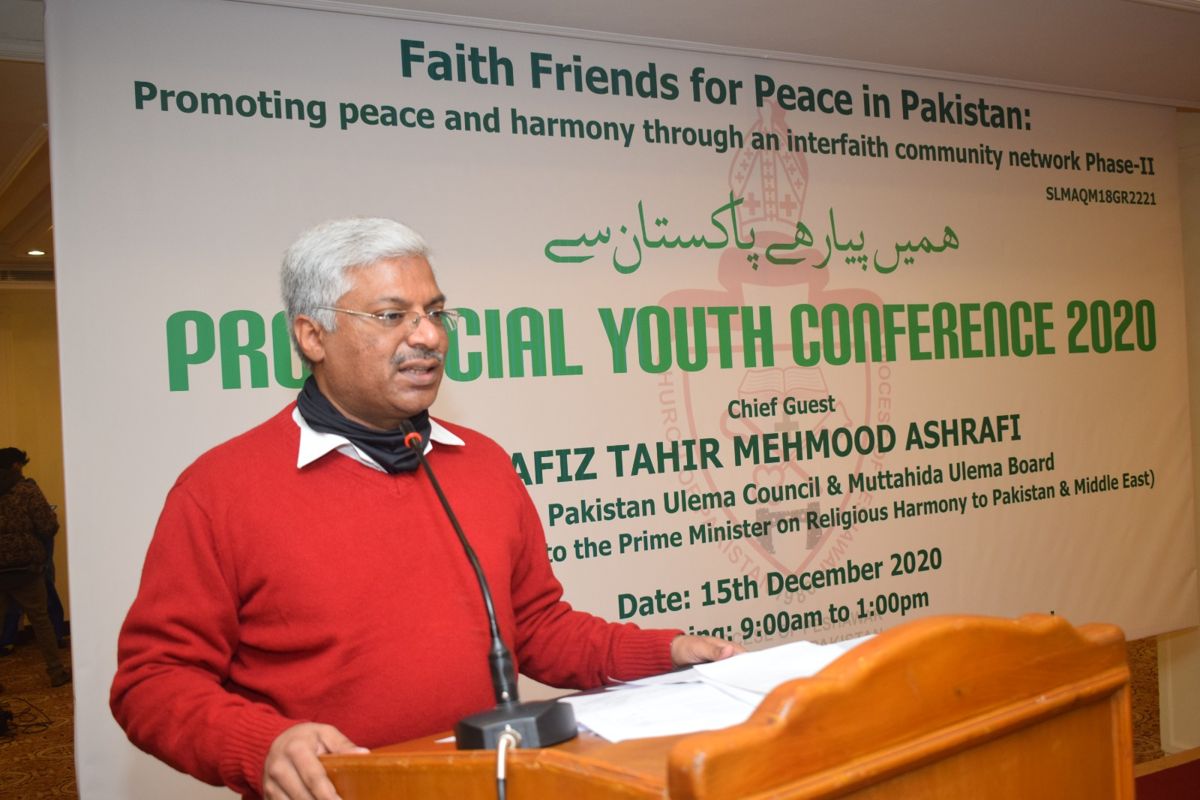
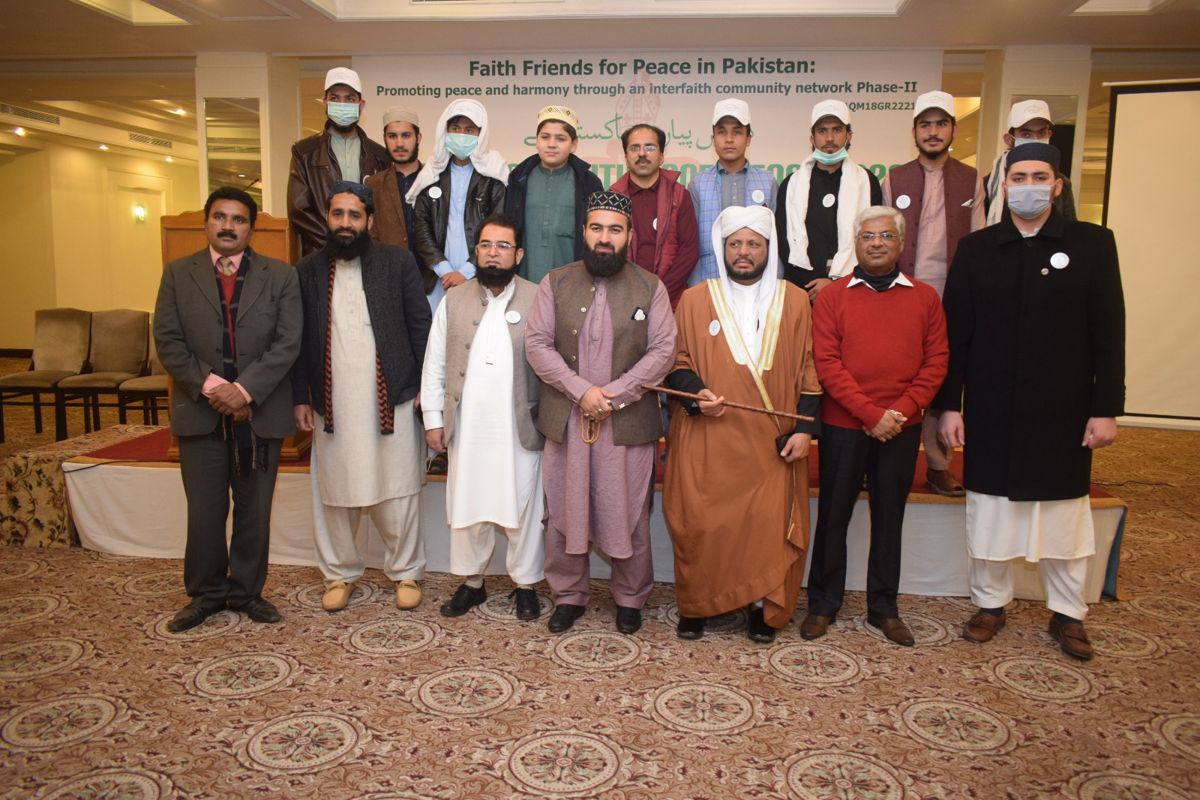
Leads an established church in Lahore and knows the families and neighborhoods the pilot will reach. Advisors are volunteers and do not handle funds or choose families.
Talk with us about supporting the pilot
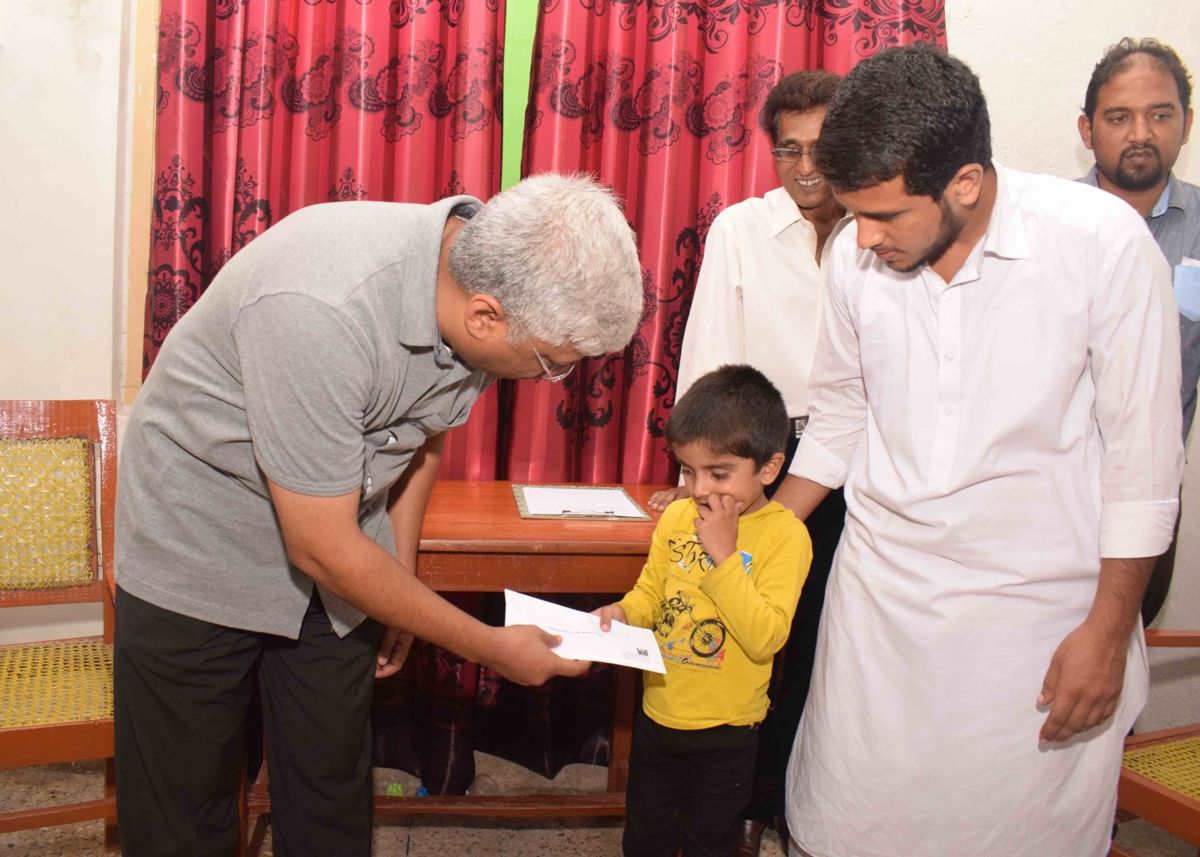
We welcome donors, foundations, Pakistani nonprofits, therapy and rehabilitation providers, schools and community leaders. You can support our first fundraiser now. Instructions for tax-deductible U.S. gifts will be posted here once our giving partner agreement is signed. Team profiles, references, local quotations and partner agreements are available on request as they are completed.
Or write to us at info@wingsofbethany.com